
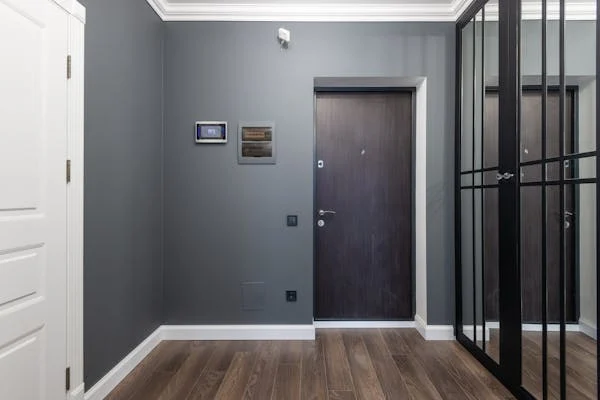

The future of living is here, and it’s smarter than ever before. Smart homes, once a concept from science fiction, have rapidly evolved into practical, accessible technologies that are transforming the way we live, work, and interact with our homes. In the USA, the smart home market is booming, and with good reason. The rise of innovative technologies such as voice assistants, smart thermostats, security cameras, and home automation systems has made living in a smart home not only convenient but also energy-efficient and secure.
But what exactly is a smart home? A smart home refers to a residence equipped with devices that can be controlled and monitored remotely via the internet or mobile applications. These devices can interact with each other to automate various home functions such as lighting, heating, cooling, and security. The integration of artificial intelligence (AI) and Internet of Things (IoT) technologies is enabling homes to become more responsive to the needs of their occupants. In this blog post, we’ll dive deep into the world of smart homes, with a specific focus on trends, technologies, and market dynamics within the USA.
As more American households adopt smart home technologies, it’s essential to understand what makes a smart home effective and how these devices are improving daily living. Whether you are considering upgrading your home or simply curious about how the technology works, this guide will explore everything you need to know. From energy-saving solutions to improving security and entertainment, the evolution of smart homes is something you can’t ignore.
The Key Components Of A Smart Home
A smart home is essentially a network of connected devices that interact with each other to create a seamless and efficient living environment. These devices can be controlled remotely via a smartphone, tablet, or voice assistants like Amazon Alexa or Google Assistant. The key components of a smart home include smart devices, home automation systems, and voice assistants. Each element plays a critical role in enhancing convenience, comfort, and energy efficiency.
Smart Devices: The Heart of the Smart Home
At the core of any smart home are the smart devices that allow homeowners to control their environment. Popular smart devices include smart thermostats, smart lights, smart locks, and smart security systems. For example, the Nest Thermostat allows users to regulate the temperature of their home from anywhere, saving energy and improving comfort. Smart lighting systems like Philips Hue enable homeowners to control lighting with the touch of a button or a voice command, creating moods and reducing energy consumption.
Smart locks and security cameras are becoming essential features in modern smart homes. Devices like the Ring Doorbell provide remote access to video feeds, allowing homeowners to monitor and communicate with visitors at their door in real time. These innovations provide a new level of control and peace of mind for consumers.
Home Automation Systems: Making Your Home Smarter
While smart devices are the tools that enable automation, a home automation system is the platform that connects them all. These systems allow devices to work together in an intelligent, cohesive manner. For example, your smart thermostat can communicate with your smart lights and adjust the temperature or lighting based on your daily routine or occupancy. Some of the most popular home automation platforms in the U.S. include Amazon Alexa, Google Home, and Apple HomeKit.
These platforms make it easier to automate tasks such as locking doors at a certain time, adjusting the thermostat while you’re away, or setting up mood lighting for movie nights. With voice-controlled home automation, you can say commands like, “Alexa, set the thermostat to 72°F” or “Hey Google, turn off the lights in the kitchen,” making your life more convenient and energy-efficient.
Voice Assistants: Your Smart Home Control Center
The voice assistant is the control center of any smart home, acting as the bridge between you and your devices. Whether you’re using Amazon Echo, Google Nest, or Apple HomePod, voice assistants make controlling your home’s systems easy. With just a simple command, you can control lights, security systems, entertainment, and even ask for the weather or traffic updates. This integration adds a hands-free dimension to smart home technology, enhancing the overall user experience.
Smart Home Security and Privacy Concerns
As smart homes become more integrated into daily life, security and privacy have become top concerns for homeowners. With so many devices interconnected, there are potential vulnerabilities that could be exploited by cybercriminals. It is crucial for smart home owners to understand how to protect their networks and personal data.
The Importance of Cybersecurity in Smart Homes
The cybersecurity of smart homes is one of the most important aspects to consider when setting up your devices. Since smart home devices are often connected to the internet, they are vulnerable to hacking. Recent studies show that more than 50% of smart home users are concerned about their devices being hacked or compromised. It is vital to implement strong passwords, enable two-factor authentication, and regularly update your device firmware to safeguard your devices from unauthorized access.
Privacy Concerns with Smart Devices
Many consumers are also worried about the data that smart devices collect and how it is used. Smart devices can track usage patterns, monitor daily activities, and even collect sensitive data. Homeowners should be mindful of the privacy policies of the devices they use and ensure they’re comfortable with how their data is handled. Fortunately, there are ways to limit the data collection by adjusting privacy settings on various platforms.
Energy Efficiency In Smart Homes
One of the standout benefits of smart homes is the ability to improve energy efficiency. Smart homes help homeowners save money on utility bills while reducing their environmental footprint. Devices like smart thermostats and smart lighting play a crucial role in optimizing energy usage.
Smart Energy Management Systems
Smart energy management is one of the fastest-growing areas within the smart home market in the U.S. By connecting smart devices to energy management systems, homeowners can monitor their energy consumption in real time. For example, Ecobee smart thermostats learn your preferences and adjust the temperature accordingly to save energy while maintaining comfort. These devices are especially useful in the U.S., where extreme weather conditions demand consistent heating or cooling.
Solar Integration and Smart Grids
With increasing interest in sustainable living, smart homes are also integrating with solar energy systems and smart grids. Smart home devices can optimize energy use by integrating with solar panels to store excess energy for use later. This integration is part of a larger effort to reduce dependence on traditional power grids, lower utility costs, and minimize environmental impact.
Smart Homes For Seniors: Aging in Place
A significant trend in the USA is the use of smart home technology to help seniors age in place. Smart homes can enhance elderly care by providing solutions that improve safety, health monitoring, and convenience.
Health Monitoring and Safety Features
With the help of smart health devices, such as wearable trackers and smart medication dispensers, seniors can maintain a healthier lifestyle. Devices that monitor heart rate, blood pressure, and other vital signs can send alerts to caregivers or family members if there is any cause for concern. Fall detection systems in smart home devices can notify emergency services if a senior falls, ensuring a quick response and better safety.
Voice-Controlled Systems for Enhanced Accessibility
Voice-controlled systems make it easier for seniors to operate their homes without the need for physical interaction with devices. Whether it’s adjusting the lights, controlling the thermostat, or calling for help, voice assistants like Alexa or Google Assistant make it easier for elderly individuals to maintain independence while staying safe.
Smart Home Entertainment: Revolutionizing Your Media Experience
Entertainment is another area where smart homes shine. With the integration of smart TVs, streaming services, and smart audio systems, you can create a personalized, immersive entertainment experience in your home.
Home Automation in Entertainment
The integration of home automation systems into entertainment setups means you can control your home theater, music systems, and even gaming consoles with a single command. Devices like the Amazon Fire Stick and Google Chromecast allow you to stream content directly to your TV, while smart speakers like Sonos provide high-quality audio.
The Future of Smart Homes in the USA
As we look toward the future, smart home technology will continue to evolve. The 5G network is expected to play a significant role in this evolution by enabling faster, more reliable connectivity for devices. Additionally, the rise of artificial intelligence will bring even smarter features to homes, allowing devices to learn from user behavior and make adjustments automatically.
The integration of smart homes with smart cities will create more connected, sustainable environments for residents, revolutionizing how we live and interact with our surroundings.
Smart Home Security and Privacy Concerns
As the smart home market continues to grow, so do the concerns surrounding smart home security and privacy. With an increasing number of devices becoming connected to the internet and each other, the potential for cyber threats is ever-present. When setting up a smart home, it’s crucial to balance convenience with safety to ensure that your devices are secure, and your personal data remains private.
In the United States, smart home security is a growing concern for many homeowners. In fact, a 2023 study showed that over 60% of Americans who own smart devices are worried about their home security being compromised by hackers. With the rise of internet-connected devices such as smart locks, security cameras, and even voice assistants, it’s essential to understand how to protect these devices from cyberattacks.
The Importance of Cybersecurity in Smart Homes
Cybersecurity is an essential consideration for anyone with a smart home. Most smart home devices are connected to the internet, making them potential targets for hackers. Whether it’s a smart thermostat or security camera, any device that collects, stores, or transmits data online can be vulnerable to attacks. For instance, unsecured smart doorbells have been targeted by cybercriminals to gain unauthorized access to homes. As more devices get added to the network, the risk of a breach increases.
One of the most common ways hackers target smart devices is through weak passwords. Many people continue to use simple or common passwords, making it easier for cybercriminals to gain access to their networks. Using strong, unique passwords for each device and service is one of the most basic yet effective ways to protect your smart home.
In addition, enabling two-factor authentication (2FA) wherever possible adds an extra layer of protection. This requires a second verification step, such as a one-time code sent to your phone, before granting access to your devices. While not all smart home devices support 2FA, many do, and it’s always worth checking the security settings on your devices.
Furthermore, software updates are vital to maintaining security in a smart home. Manufacturers regularly release updates to patch vulnerabilities and enhance device performance. Failing to keep your devices up-to-date could leave them exposed to known security threats. Smart device owners in the U.S. should make it a habit to regularly check for updates and install them promptly.
Common Vulnerabilities and How to Mitigate Them
Despite the best precautions, some smart home vulnerabilities remain inherent due to the interconnected nature of these devices. These risks are often not easily detectable and can leave your home open to various threats. Here are some of the most common vulnerabilities and ways to mitigate them:
- Unsecured Networks: Many smart homes rely on Wi-Fi networks, but if your network is unsecured, hackers can gain easy access. Always secure your home Wi-Fi with a strong password and consider using a Virtual Private Network (VPN) for added protection. Additionally, setting up a separate network just for your smart devices (also known as a guest network) can help reduce the risk of exposure to more critical devices like computers or smartphones.
- Default Device Passwords: Many smart devices come with default usernames and passwords that are easy to guess. Manufacturers often recommend changing these default settings immediately after installation. Always customize your password and make sure it’s strong and unique.
- Lack of Encryption: Not all smart devices encrypt data, which can make it easier for hackers to intercept and misuse personal information. When shopping for smart devices, it’s important to check if they offer end-to-end encryption to protect your data from unauthorized access.
- Smart Cameras and Surveillance Devices: Surveillance devices like smart doorbells and security cameras are often vulnerable to hacking. Hackers can gain access to the video feeds, track activities, or even disable cameras remotely. To mitigate this risk, ensure that your smart security cameras support strong encryption and offer regular firmware updates. Additionally, some devices come with features such as motion detection and local storage, which add another layer of security.
Privacy Concerns with Smart Devices
While smart home devices provide an array of benefits, they also raise significant privacy concerns. Many of these devices collect, store, and transmit data about your activities, preferences, and even conversations. For instance, smart speakers like Amazon Alexa and Google Assistant are always listening for voice commands, which means they’re constantly collecting data about your interactions. This data could include sensitive information, such as your location, personal preferences, or household routines.
Data privacy becomes especially concerning when you consider how this information is used and shared. Many smart home companies store user data for purposes such as improving products, personalizing user experiences, or targeted advertising. For some users, this collection of data can feel invasive.
To address privacy concerns, it’s essential to read the privacy policy of each smart device you use. Some companies may sell data to third parties, while others may offer more transparent policies regarding how data is stored and used. If privacy is a top concern, opt for devices that allow you to control data collection settings, including options to delete or limit stored data.
In addition, many smart home platforms like Google Home and Amazon Alexa allow you to disable voice history and control the data that is being collected. For example, you can choose to delete voice recordings, limit how much data is shared with third parties, or turn off the microphone on your device entirely. These settings allow you to maintain more control over your data while still enjoying the benefits of a smart home.
Government Regulations and Standards for Smart Home Security
In the United States, government regulations for smart home security and data privacy are still evolving. However, several standards have been put in place to protect consumers and ensure that smart home devices adhere to security best practices.
The Federal Trade Commission (FTC) plays a critical role in regulating consumer protection, including the data privacy of smart devices. The FTC enforces rules that prevent deceptive practices and requires companies to clearly disclose how they handle user data. Furthermore, the California Consumer Privacy Act (CCPA) provides additional rights to California residents, giving them more control over their personal information and the ability to request that companies delete their data.
In addition to government oversight, industry groups have developed voluntary standards for smart home security. For example, the Connectivity Standards Alliance (CSA) works to ensure that smart home devices are compatible with one another while meeting security standards. The IoT Cybersecurity Improvement Act of 2020 requires federal agencies to purchase IoT devices that meet minimum security requirements, influencing the market and pushing manufacturers to adopt stronger security practices.
Section 4: Energy Efficiency in Smart Homes
One of the biggest advantages of adopting a smart home is the potential for energy efficiency. With increasing concerns about climate change and rising utility costs, Americans are looking for ways to reduce their energy consumption while maintaining comfort and convenience in their homes. Smart home devices can play a significant role in helping homeowners achieve this goal.
In fact, the smart home market in the United States has seen significant growth in energy-efficient technologies. Smart thermostats, energy monitoring systems, and smart lighting solutions have made it easier than ever for homeowners to manage their energy usage and lower their utility bills.
Smart Energy Management Systems
One of the key features of a smart home is the ability to manage energy consumption more effectively. Smart thermostats, like the Nest Thermostat or Ecobee, learn your household’s heating and cooling patterns, and automatically adjust the temperature to save energy when you’re away or asleep. By optimizing the operation of heating and cooling systems, these devices can help reduce energy waste while keeping your home comfortable.
The smart energy management systems go beyond just controlling the temperature. Many of these devices also give users real-time insights into their energy usage. For example, some platforms, such as Sense Energy Monitor, offer in-depth analysis of your household’s electricity consumption, allowing homeowners to identify which appliances consume the most power and adjust their usage accordingly. By optimizing the usage of major appliances, you can lower your electricity bills and make your home more energy-efficient.
In addition, smart plugs and smart power strips are a simple yet effective way to manage energy usage. These devices allow you to turn off electronics and appliances remotely when they’re not in use, helping prevent phantom energy (energy consumed by devices that are turned off but still plugged in).
Solar Integration and Smart Grids
Incorporating renewable energy sources, like solar panels, into a smart home is becoming increasingly popular, especially in states like California and Texas, where sunlight is abundant. Smart homes with integrated solar energy systems can optimize energy use by storing excess energy generated during the day and using it at night. This not only reduces reliance on traditional utility providers but also helps reduce carbon footprints.
Smart homes can also be connected to smart grids—electricity networks that can automatically respond to changes in demand and supply. Smart grids enable homes to manage energy more efficiently by adjusting energy usage during peak hours or shifting power from solar energy storage systems to reduce grid load. In the future, smart grids are expected to play a major role in advancing sustainable living by enabling homes to operate in a more energy-efficient and eco-friendly manner.
The Environmental Impact of Energy-Efficient Smart Homes
As more U.S. homeowners adopt energy-efficient smart home technologies, the environmental impact is becoming increasingly significant. Reducing energy consumption not only helps lower utility costs but also decreases greenhouse gas emissions associated with traditional electricity generation. In fact, the widespread adoption of energy-efficient devices could help the United States meet its sustainability goals by reducing the carbon footprint of the residential sector.
By integrating technologies like smart thermostats, smart lighting, and solar energy, homeowners can contribute to a cleaner, greener environment while also saving money in the long run. As technology continues to evolve, we can expect even more efficient and affordable solutions for sustainable living in smart homes.
Section 5: Smart Homes for Seniors: Aging in Place
As the U.S. population continues to age, the need for smart home solutions designed for seniors is growing. The concept of aging in place—living in one’s home independently and safely for as long as possible—has become a top priority for many seniors. Smart home technology is playing an essential role in helping seniors remain in their homes while maintaining their safety, health, and independence.
Smart homes designed for seniors are equipped with devices that assist with everything from health monitoring to mobility assistance, creating a safe and supportive environment for older adults. Let’s take a look at how smart technology is transforming the way seniors live.
Health Monitoring and Safety Features
Smart homes for seniors often include devices that can monitor health and ensure safety. For example, wearable health trackers like the Apple Watch or Fitbit can monitor vital signs such as heart rate, blood oxygen levels, and activity levels. These devices can send alerts to caregivers or loved ones if a senior’s health status changes suddenly, enabling a faster response if necessary.
Smart sensors and motion detectors can also be placed around the home to monitor the movement and activities of the senior. These sensors can alert family members or caregivers if there is a fall detection event or if the senior has not moved for an extended period of time, which can be crucial for preventing injuries and ensuring a quick response in emergencies.
Additionally, smart smoke detectors and carbon monoxide sensors can provide seniors with peace of mind by offering early warnings in case of dangerous situations. Smart homes equipped with these safety features can greatly reduce the risk of emergencies and give seniors and their families confidence in their living environment.
Voice-Controlled Systems for Enhanced Accessibility
For seniors with limited mobility or vision impairments, voice-controlled smart systems are a game-changer. Voice assistants like Amazon Alexa, Google Assistant, and Apple Siri allow seniors to control lights, adjust the thermostat, make phone calls, and even request assistance simply by speaking. This hands-free control makes it easier for seniors to live independently, even if they have difficulty physically interacting with devices.
Voice-controlled systems can also be integrated with other smart devices, allowing seniors to set up routines and reminders. For instance, seniors can receive reminders to take medication or schedule appointments simply by asking their voice assistant. This integration can help seniors stay on top of their health and daily tasks without relying on others for assistance.
In addition to improving accessibility, voice assistants can be used to maintain social connections. Seniors can use their voice assistants to make phone calls or video calls to family and friends, helping reduce feelings of isolation and loneliness, which are common among older adults.
Home Automation for Easier Living
A well-automated smart home can significantly improve the quality of life for seniors by taking care of everyday tasks. Smart lighting systems allow seniors to adjust the brightness and color of the lights with a simple voice command, eliminating the need to fumble with switches or remote controls. Additionally, smart locks make it easier to secure doors and grant access to caregivers or family members without the need for physical keys.
Automated systems can also help seniors manage their daily routines more effectively. For example, the smart home can automatically turn on lights in the morning, adjust the temperature to a comfortable level, and even start the coffee machine. These simple automation features make daily living easier and less stressful for seniors.
Section 6: The Future of Smart Homes: Trends and Innovations
The future of smart homes is brimming with exciting innovations and technological advances that will redefine how we interact with our living spaces. As more people across the United States embrace the benefits of connected living, it’s clear that the evolution of smart home technology is only just beginning. From artificial intelligence to 5G networks, the smart home landscape is poised for remarkable growth.
Artificial Intelligence and Machine Learning
One of the biggest trends shaping the future of smart homes is the integration of artificial intelligence (AI) and machine learning (ML). As AI technologies continue to improve, smart home devices will become more intuitive and capable of learning from user behavior. Imagine a smart home that adjusts its environment not just based on preset schedules, but also based on your daily habits and preferences. For example, a smart thermostat might learn your exact comfort zone, adjusting room temperatures before you even realize you need it.
In addition to AI’s impact on comfort, machine learning algorithms can optimize energy efficiency. AI can learn the patterns of energy consumption and predict the best times to operate energy-hungry devices like HVAC systems or water heaters, potentially saving homeowners a significant amount of money on their energy bills.
5G Technology and Enhanced Connectivity
As 5G networks roll out across the United States, they will unlock the full potential of smart homes. With faster speeds and lower latency, 5G will improve the performance and responsiveness of connected devices. This technology will enable ultra-fast data transfer, allowing devices to communicate with each other in real-time, enhancing the experience of managing a smart home.
For example, smart security cameras and smart doorbells will provide high-quality video streams with little to no lag, making them even more reliable for homeowners who want real-time security updates. The increased speed of 5G will also pave the way for more advanced applications, such as remote-controlled robots for home cleaning, elderly care, or even telemedicine applications that allow doctors to remotely monitor patients’ health using connected devices.
Voice Assistants and Virtual Reality (VR)
Voice assistants like Amazon Alexa, Google Assistant, and Siri have become commonplace in many U.S. homes. However, as voice recognition technology advances, these devices will become more capable of understanding complex commands and even more natural language. Imagine a voice assistant that can manage your entire household seamlessly without the need for a long list of specific commands.
Additionally, virtual reality (VR) and augmented reality (AR) are set to revolutionize the smart home experience. Homeowners could use VR to virtually tour their homes or even interact with smart devices using immersive experiences. For instance, VR can simulate your home’s lighting, ambiance, and temperature settings, allowing you to create the perfect environment with just a few taps on a device.
Smart Cities and Integration with Urban Infrastructure
The future of smart homes is closely tied to the development of smart cities. As urban areas in the United States continue to modernize, there will be greater integration between smart homes and the larger infrastructure of cities. This could include smart grids, smart transportation systems, and waste management solutions that communicate with your smart home to optimize energy, mobility, and resources.
For instance, smart cities will enable households to easily track energy usage and carbon footprints through smart meters and advanced utility systems. Furthermore, data from traffic management systems could help smart homes predict the best routes to take based on traffic conditions, even suggesting a route for an electric vehicle (EV) to optimize charging stations along the way.
The integration of smart home systems with smart city technologies could make everyday living more sustainable, efficient, and convenient.
Section 7: How to Choose the Right Smart Home Devices for Your Needs
With the abundance of smart home devices flooding the market, choosing the right products for your needs can feel overwhelming. Whether you’re looking to increase security, enhance convenience, or improve energy efficiency, it’s important to make informed decisions based on your goals. Let’s explore how to choose the best smart home products to match your specific requirements.
1. Determine Your Priorities
Before investing in any smart home technology, the first step is to determine your priorities. Do you want to focus on home security, energy savings, or creating a smart environment that adds convenience to your daily life? For example, if you’re most concerned with home security, you may want to focus on smart locks, security cameras, and motion sensors. If saving energy is your top priority, smart thermostats, smart lighting, and energy monitoring systems may be your best options.
Make a list of the areas in your home that could benefit from smart technology and prioritize your purchases based on your budget and the level of importance each feature holds. This will help you avoid impulse buying and ensure that you invest in the devices that best serve your lifestyle.
2. Compatibility with Existing Devices
Another critical factor in choosing the right smart home devices is ensuring that they are compatible with your existing ecosystem. Many smart home products work best when integrated with other devices from the same brand or platform. For example, Amazon Alexa and Google Home are compatible with a wide variety of smart home products, but some devices are designed to work best within a single ecosystem.
Before purchasing, check the compatibility of each device with your current smart home hub or platform. If you already have Amazon Alexa or Google Assistant, look for devices that integrate seamlessly with these platforms to ensure smooth control and functionality. Alternatively, if you prefer a multi-brand setup, make sure your devices support cross-platform integration.
3. Security and Privacy Features
As discussed earlier, security and privacy are crucial when it comes to smart homes. When selecting devices, ensure they offer robust cybersecurity features like encryption, two-factor authentication, and software updates to protect your data from being hacked. Always check the privacy policy of the manufacturer to understand how your data is handled and if you have control over it.
For example, smart security cameras should feature encrypted video feeds, while smart speakers should offer features that allow you to delete voice recordings and manage data-sharing settings. Taking these precautions will help protect your privacy and ensure that your smart home is not vulnerable to cyber threats.
4. Look for Reviews and Recommendations
When in doubt, research product reviews and seek recommendations from others. Many smart home enthusiasts share their experiences online, making it easier for you to understand the strengths and weaknesses of different devices. Websites like CNET, TechCrunch, and The Verge offer in-depth reviews and comparisons, which can be helpful in guiding your purchasing decisions.
In addition to professional reviews, check out user reviews on Amazon or Best Buy to get a better sense of how products perform in real-world conditions. Be sure to consider both positive and negative feedback to make a well-informed choice.
5. Set a Budget and Stick to It
Smart home technology can get expensive, so it’s important to establish a budget before diving into purchases. Consider starting small and building your smart home gradually, adding one device at a time. Start with essentials like smart thermostats, smart lighting, or security cameras, then expand your setup as needed.
Keep in mind that while some devices may come with a higher upfront cost, they could save you money in the long run. For example, smart thermostats can help reduce heating and cooling bills, while smart lighting can lower your electricity consumption. Focus on investing in devices that offer long-term value and align with your needs.
Section 8: How to Install Smart Home Devices: A Step-by-Step Guide
The process of setting up a smart home can seem intimidating, especially for those who are new to the technology. However, with a little guidance, installing smart home devices can be a smooth and rewarding experience. Whether you’re starting small with a smart thermostat or creating an entire smart home ecosystem, following these steps will ensure that your devices are properly installed and ready to use.
Step 1: Choose Your Smart Home Hub
Before installing any devices, you need to decide on a smart home hub. A hub serves as the central command center for your smart home, allowing various devices to communicate with each other. Popular hubs include Amazon Echo, Google Nest Hub, and Apple HomePod. These hubs allow you to control everything from lighting to security cameras via a single platform, either through voice commands or mobile apps.
If you already have a preferred voice assistant—whether Amazon Alexa, Google Assistant, or Siri—it’s best to choose a hub that integrates seamlessly with that assistant for a more streamlined experience. For example, if you’re already using Alexa, an Amazon Echo is a great choice as it will connect easily with other Alexa-enabled smart devices.
Step 2: Install Smart Devices One by One
When setting up your smart home, it’s often best to begin with one device and expand from there. Let’s start with the installation of a smart thermostat as an example.
- Turn off your HVAC system and remove the old thermostat. Make sure to label the wires for easy reinstallation.
- Connect the new thermostat to the wires, matching the labels to their corresponding ports.
- Mount the thermostat on the wall and follow the prompts on the app to link it to your smart home hub.
- Program your settings through the app and start testing it by adjusting the temperature remotely.
Each device comes with detailed installation instructions, so be sure to follow the manufacturer’s guidelines. Many smart home products, like smart lights or smart locks, are also easy to install with no technical expertise required. Most require just plugging in or installing an app, and then syncing it to your hub.
Step 3: Set Up and Customize Your Devices
Once your devices are physically installed and connected to your hub, it’s time to customize their settings to match your preferences. You can use apps, like the Amazon Alexa app, Google Home, or Apple HomeKit, to adjust the settings for each device.
For instance:
- With smart lighting, you can set up schedules for when lights should turn on or off automatically.
- For smart locks, program access codes for different users, or set up a guest mode.
- For smart cameras, adjust sensitivity settings for motion detection and set up cloud storage for video footage.
One of the great things about smart home devices is their ability to learn your routines. For example, a smart thermostat might adjust the temperature based on your usual schedule, while smart lighting can sync with the time of day, adjusting its brightness or color for different moods or activities.
Step 4: Troubleshooting Common Issues
While smart home devices are generally easy to install, occasional troubleshooting may be necessary. Here are some common issues and solutions:
- Device Not Connecting to Wi-Fi: Ensure that your device is within range of your router and that your Wi-Fi network supports the device’s requirements (i.e., 2.4 GHz for many devices).
- Smart Hub Not Syncing: Double-check the device’s compatibility with your hub and ensure it’s running the latest software version. Restart the hub and device to force a re-sync.
- App Not Responding: Try reinstalling the app or restarting your phone to resolve any issues with device control.
Most smart home devices come with detailed customer support or troubleshooting guides on their websites, which can help you resolve any issues quickly.
Step 5: Expanding Your Smart Home Over Time
Once you’ve successfully installed your first few devices, you can gradually expand your smart home. Consider adding:
- Smart speakers for voice control
- Smart security cameras for enhanced safety
- Smart doorbells for remote viewing of visitors
- Smart plugs to control appliances remotely
Expanding your system over time allows you to avoid feeling overwhelmed by too many devices at once and ensures that your setup grows based on your specific needs.
Section 9: Smart Home Security: Protecting Your Devices and Data
As smart home technology becomes more integrated into our daily lives, ensuring the security of your devices and personal data is crucial. Smart devices are connected to the internet, which means they are vulnerable to hacking and cyberattacks. Fortunately, there are several steps you can take to protect your smart home security and maintain peace of mind.
1. Strong Passwords and Two-Factor Authentication
One of the simplest yet most effective ways to secure your smart home devices is to use strong passwords and enable two-factor authentication (2FA) whenever possible. Make sure each device has a unique password that combines upper and lower-case letters, numbers, and special characters. Avoid using easily guessable passwords like “password123” or “admin.”
Additionally, enable two-factor authentication for accounts linked to your smart home hub or devices. This adds an extra layer of security by requiring you to verify your identity using a second form of authentication, such as a code sent to your phone or an email.
2. Regularly Update Device Firmware
Keeping your devices updated is another essential step in protecting your smart home security. Manufacturers often release firmware updates that address potential vulnerabilities and improve functionality. Set up automatic updates whenever possible to ensure that your devices are always running the latest software. This helps protect your home from newly discovered security flaws.
You can check for firmware updates in the device’s companion app or by visiting the manufacturer’s website. Always make sure to install these updates as soon as they’re available to keep your devices secure.
3. Secure Your Home Network
Your Wi-Fi network is the gateway to all of your smart home devices. It’s crucial to secure your home network to prevent unauthorized access. Begin by using a strong, unique password for your Wi-Fi and enabling WPA3 encryption (the latest Wi-Fi security protocol). If your router supports it, set up a guest network specifically for your smart home devices to keep them isolated from your personal devices like smartphones or computers.
Consider using a VPN (Virtual Private Network) for added security when accessing your smart home remotely. A VPN encrypts your internet traffic, making it more difficult for hackers to intercept your data.
4. Monitor Device Activity
Many smart home platforms allow you to monitor the activity of connected devices. For example, you can check logs to see if there have been any unauthorized access attempts or suspicious activity on your security cameras. Set up alerts for any unusual movements or actions on security devices, and regularly review the activity history to identify potential security breaches.
For even greater peace of mind, consider using a smart security system with professional monitoring. These systems are often integrated with motion sensors, cameras, and smart locks, and can alert you (or authorities) if there is an emergency, such as a break-in.
5. Choose Trusted Brands and Devices
When selecting smart home products, always opt for well-known brands that have a reputation for providing strong security and customer support. Popular brands like Ring, Nest, Amazon, and Google are known for their reliability and security features.
Before purchasing, read product reviews and make sure the devices you are considering are secure and compatible with your home’s privacy standards. Avoid buying cheap, unbranded devices that may have weak security measures or vulnerabilities.
Section 10: Common Challenges with Smart Homes and How to Overcome Them
While smart homes offer incredible benefits, they are not without their challenges. From technical glitches to compatibility issues, understanding the potential obstacles can help you better prepare for a seamless smart home experience. Here, we explore some of the most common issues homeowners face when building or upgrading their smart homes and provide practical solutions to overcome them.
1. Device Compatibility Issues
One of the most common challenges people face when setting up a smart home is device compatibility. With so many different smart home ecosystems available—Amazon Alexa, Google Assistant, Apple HomeKit, and others—it can be difficult to know which devices will work well together.
Solution: To avoid compatibility headaches, start by choosing a smart home hub that supports a wide range of devices. For example, Amazon Alexa and Google Assistant work with most popular smart home brands, making them a safe choice if you’re looking to integrate a variety of devices. Before purchasing new devices, check if they are compatible with your existing smart home hub or ecosystem. Many manufacturers also list compatibility information on product pages, so always do your research.
2. Wi-Fi Connectivity Problems
Since most smart home devices rely on Wi-Fi connectivity, a weak or unreliable network can disrupt the performance of your devices. For example, smart thermostats, security cameras, or smart speakers may experience lag, disconnections, or other issues if your Wi-Fi signal is weak.
Solution: To ensure a stable connection, invest in a mesh Wi-Fi system that enhances your network coverage and reduces dead zones. These systems, such as Google Nest Wi-Fi or Eero, are designed to provide a strong and consistent connection across your home, ensuring that your devices stay connected at all times. Additionally, make sure that your router is up-to-date and able to support the number of devices connected to it. If you have a large home or multiple floors, a mesh system can make a big difference.
3. Privacy Concerns
As smart home devices become more integrated into our daily lives, privacy concerns are an increasing issue. Many devices collect data on your habits, routines, and interactions, which could be vulnerable to breaches if not properly secured. For example, smart speakers like Amazon Echo and Google Nest are always listening for voice commands, which raises concerns about the potential for eavesdropping or unauthorized access.
Solution: To address privacy concerns, choose devices that allow you to control your data. Amazon Alexa and Google Assistant, for instance, offer settings to manage voice recordings and delete them periodically. Be sure to set up two-factor authentication on accounts linked to your smart home devices and review privacy policies for each product you install. Additionally, consider using smart devices that prioritize data encryption and provide transparency about how your data is stored and used.
4. Overcomplicating the System
Sometimes, in the excitement of building a smart home, homeowners can fall into the trap of overcomplicating things by adding too many devices that don’t work well together. This can lead to confusion and frustration when trying to control everything from a single platform.
Solution: Start with a few core devices that meet your primary needs, like smart lighting, smart thermostats, or smart security systems. Then, gradually expand your smart home ecosystem as you become more comfortable with the technology. Focus on essential devices that will enhance your daily life rather than trying to make everything “smart” at once.
5. Battery Life and Maintenance
Many smart devices, such as smart locks, smart cameras, or motion sensors, are battery-powered. While these devices are convenient, the need to regularly replace or recharge batteries can be a hassle. Neglecting maintenance can lead to devices becoming non-functional or unreliable.
Solution: To reduce the need for constant battery replacements, opt for hardwired devices when possible, like smart lights or smart thermostats that are connected to your home’s electrical system. For battery-powered devices, check for features like low battery notifications in the app, so you can replace them before they lose power. Some smart locks even offer rechargeable batteries to reduce the hassle of battery changes.
Section 11: The Environmental Impact of Smart Homes: Sustainability and Energy Efficiency
One of the greatest advantages of a smart home is its ability to help homeowners reduce their environmental footprint. By integrating energy-efficient devices and sustainable technologies, smart homes can contribute to a greener future while lowering utility bills. As eco-consciousness continues to rise in the United States, many homeowners are seeking ways to create a more sustainable living space.
1. Energy Savings with Smart Thermostats
Smart thermostats are among the most popular devices that improve both energy efficiency and home comfort. Devices like the Nest Learning Thermostat and Ecobee SmartThermostat can be programmed to optimize heating and cooling based on your schedule, significantly reducing energy waste.
For example, smart thermostats can adjust the temperature when you’re not home or automatically set the temperature for when you’re sleeping, saving energy during these times. By learning your behaviors over time, these devices can adjust your home’s environment to maximize comfort while minimizing energy consumption.
2. Smart Lighting for Energy Efficiency
Another simple way to make your home more sustainable is by switching to smart lighting. LED smart bulbs consume significantly less energy compared to traditional incandescent bulbs, and they last much longer as well. By using smart bulbs with motion sensors, you can ensure that lights are only on when needed.
Moreover, smart lighting allows for scheduling, so lights can be automatically turned off when you’re not at home. You can also create scenes or set timers for your lights, reducing unnecessary energy use. The ability to control your lights remotely through apps or voice assistants means you can quickly adjust them if you forgot to turn them off.
3. Smart Plugs for Efficient Power Management
Smart plugs are an affordable and simple way to add energy efficiency to your home. By plugging your devices into smart outlets, you can monitor and control their power usage through apps. This can help you identify which devices are using the most energy and track your overall consumption.
For instance, you can schedule your coffee maker to turn on only when you’re ready to use it or turn off space heaters after a set amount of time to avoid excess energy consumption. Some smart plugs even provide detailed usage reports, so you can track which devices are wasting energy and adjust accordingly.
4. Solar-Powered Smart Home Devices
For those looking to take sustainability a step further, there are now solar-powered smart devices available on the market. These eco-friendly products can be integrated into your home to help reduce reliance on non-renewable energy sources. From solar-powered security cameras to solar-powered outdoor lighting, these devices use clean energy to operate, reducing your environmental impact.
If you’re considering an energy-efficient smart home, integrating solar-powered devices is an excellent way to complement the green technologies you already have in place. Some systems even allow you to monitor the performance of your solar panels via a smartphone app, ensuring that you maximize their efficiency.
5. Smart Water Management
In addition to managing energy, smart homes can also help reduce water consumption. Smart water sensors and smart irrigation systems are gaining popularity among homeowners who want to conserve water. Devices like Rachio Smart Sprinkler Controllers use weather data to optimize watering schedules, ensuring that your lawn and garden receive the appropriate amount of water without waste.
Smart water leak detectors are another great addition to any smart home. These devices can alert you if there’s a water leak in your home, preventing costly damage and helping you take quick action to prevent water waste.
Section 12: The Future of Smart Homes: Trends and Innovations to Watch
The future of smart homes is an exciting one, as technology continues to evolve at an impressive pace. New innovations in artificial intelligence (AI), machine learning, and 5G connectivity promise to enhance the capabilities of smart home devices, creating even more intuitive and personalized experiences for homeowners. Here’s a look at some of the trends and innovations shaping the future of smart homes in the U.S.
1. Artificial Intelligence and Machine Learning
As artificial intelligence (AI) and machine learning continue to advance, we can expect smart homes to become even smarter. In the future, your devices won’t just follow set commands—they’ll be able to anticipate your needs based on past behavior. AI-powered smart devices will learn your routines and adjust settings automatically, creating a home that’s finely tuned to your preferences.
For instance, imagine a smart thermostat that knows not only your temperature preferences but also factors in external weather patterns and even your calendar. If your calendar shows a meeting in the late afternoon, the thermostat could preemptively adjust the temperature to ensure you’re comfortable when you return home.
Voice assistants like Amazon Alexa, Google Assistant, and Siri are already equipped with basic AI capabilities. However, as these platforms evolve, we can expect even more personalized interactions with your devices, allowing for more seamless and natural communication.
2. 5G Connectivity and Ultra-Fast Internet
The rollout of 5G connectivity is set to revolutionize the smart home industry by offering faster, more reliable internet speeds. With 5G, smart devices will experience less latency, meaning they’ll respond quicker and more accurately to commands. This enhanced connectivity will be crucial for supporting a growing number of smart devices in the home, especially as Internet of Things (IoT) technologies become more widespread.
For instance, smart security systems that rely on real-time video feeds will be able to transmit higher-quality footage with minimal lag. Additionally, the faster speeds will allow devices like smart TVs and gaming consoles to deliver smoother, buffer-free streaming, while smart appliances can perform more complex tasks without interruption.
5G will also make it easier to set up smart home ecosystems with more interconnected devices. Expect a more fluid experience where everything—from lighting to home automation systems—works together seamlessly.
3. Enhanced Home Automation and Integration
The concept of home automation will continue to evolve, with even more advanced features being incorporated into smart homes. The integration of multiple smart devices into a unified system will allow for highly sophisticated automation. For example, you could have your smart thermostat, smart lighting, security cameras, and even smart refrigerators all work together to create a dynamic and efficient home environment.
Imagine a smart home system that adjusts lighting, temperature, and security settings depending on whether anyone is home or not. Smart doors could detect when you arrive and unlock automatically, while lights and the thermostat could be set to your preferences, all without you having to lift a finger.
4. Energy-Efficient Innovations
As energy conservation becomes a top priority for many Americans, the smart home industry is innovating to make it even easier to live sustainably. For example, future smart thermostats could have even greater capabilities to optimize energy use, reducing costs and waste. Additionally, we’re seeing advancements in smart appliances that use energy more efficiently, such as energy-efficient washers and dryers or smart refrigerators that monitor food expiration dates and adjust cooling to save energy.
Additionally, the integration of solar panels with smart home systems is expected to grow. As solar technology becomes more accessible, homes equipped with solar energy systems will have smart home devices that automatically adjust energy consumption based on available solar power.
5. Increased Focus on Health and Wellness
The future of smart homes will not only revolve around convenience and security but also wellness. As people become more health-conscious, the demand for health-focused smart devices will increase. Expect to see smart home technology that monitors air quality, humidity, and even your sleep patterns. Smart beds that adjust to your sleeping position and provide feedback on your sleep quality could become commonplace, improving overall wellness.
Smart lighting will also play a role in enhancing well-being, with circadian rhythm-based lighting that mimics natural sunlight to improve sleep cycles and reduce eye strain. The integration of wellness into smart home ecosystems will help create a balanced living space that promotes both physical and mental health.
Section 13: Smart Home Myths: Debunking Common Misconceptions
Despite the growing popularity of smart home technology, several myths and misconceptions still surround the concept of a connected home. These misunderstandings can cause potential buyers to hesitate in adopting smart home solutions. Let’s address and debunk some of the most common myths about smart homes in the U.S.
1. Smart Homes Are Too Expensive
One of the biggest myths about smart homes is that they are expensive and only affordable for the wealthy. While it’s true that some high-end smart home systems can be costly, there are many budget-friendly options available that can still provide significant benefits.
For example, smart thermostats like the Nest Thermostat and Ecobee offer excellent energy savings and pay for themselves over time through reduced utility bills. Similarly, smart plugs and smart bulbs are affordable and easy to install, providing an easy entry point into the smart home world without breaking the bank.
Many smart home devices are designed to be modular, meaning you can start with one or two devices and gradually expand your system as your budget allows.
2. Smart Homes Are Difficult to Set Up
Another common misconception is that smart home devices are difficult to install and require expert knowledge. In reality, many smart home products are designed with the consumer in mind and can be set up with little technical expertise. For example, smart lights, smart plugs, and smart speakers typically require just an app download and a few simple steps to connect them to your Wi-Fi network.
Some devices may require professional installation, such as smart security cameras or smart thermostats, but these are often optional and can be installed by professionals if desired. Many manufacturers provide detailed guides and customer support to ensure that the setup process is as easy as possible.
3. Smart Homes Are Vulnerable to Hacking
Many people worry that smart homes are vulnerable to hacking and cyberattacks, which can be a barrier to adoption. While it’s true that any internet-connected device carries some risk, manufacturers are increasingly prioritizing security in their devices. Many smart home systems now come with encryption and other security features to protect your data.
To further safeguard your devices, you can take proactive steps like updating device firmware, using strong passwords, and enabling two-factor authentication (2FA) for accounts linked to your smart home. By being vigilant about security, you can greatly reduce the chances of unauthorized access to your devices.
4. Smart Homes Can Only Be Controlled by Tech-Savvy People
While it’s true that some advanced smart home setups can be complex, most systems are designed to be user-friendly, even for those who aren’t tech-savvy. Many platforms, such as Amazon Alexa, Google Assistant, and Apple HomeKit, offer voice control features that make it easy to interact with your devices without needing to fiddle with apps or settings.
Additionally, many devices come with simple apps that guide you through the setup process and allow you to control your home from your smartphone. Even individuals who are less familiar with technology can easily enjoy the benefits of a smart home.
5. Smart Homes Will Replace Human Interaction
Some believe that smart homes will lead to a loss of human interaction, as devices take over tasks that were once done by people. In reality, smart technology is designed to enhance human interactions, not replace them. For instance, smart home systems can free up your time and energy for more meaningful activities, such as spending time with family, working on hobbies, or relaxing after a long day.
By automating routine tasks like adjusting the thermostat or turning off the lights, smart homes allow you to focus on what truly matters, creating a more balanced and enjoyable lifestyle.
Section 14: How to Choose the Best Smart Home Devices for Your Needs
When it comes to building your smart home, choosing the right devices is crucial. With so many options available, it can be overwhelming to decide which products best meet your needs. In this section, we’ll guide you through the process of selecting the best smart home devices that align with your lifestyle and home requirements.
1. Define Your Priorities
Before purchasing any smart devices, it’s important to define your priorities. Are you looking for security? Energy efficiency? Convenience? Different smart devices serve different purposes, so understanding what matters most to you will help narrow down your options.
For example, if security is your top priority, you’ll want to look for smart cameras, smart doorbells, or a smart security system. If you’re interested in energy savings, then smart thermostats, smart lighting, and smart plugs will be more suited to your needs.
2. Consider Compatibility with Existing Systems
One of the most important factors when choosing smart home devices is ensuring that they are compatible with your existing smart home ecosystem. If you already have a smart assistant like Amazon Alexa, Google Assistant, or Apple HomeKit, make sure that the devices you select are compatible with the platform you use. Some smart home devices are designed to work exclusively with specific systems, so choosing the right ecosystem from the start can save you a lot of time and frustration.
Additionally, many smart hubs or devices like Amazon Echo or Google Nest Hub act as central control points for all your devices. If you prefer a central hub, check the compatibility of each device with that hub.
3. Evaluate the Brand Reputation
When investing in smart home technology, it’s crucial to choose devices from reputable brands known for reliability and security. Leading brands like Nest, Ecobee, Ring, and Philips Hue are trusted for their high-quality devices and customer support.
Research customer reviews, expert opinions, and product ratings to ensure you’re investing in a quality product. Well-known brands tend to offer better warranties, support, and software updates, which will help keep your system running smoothly over time.
4. Check for Scalability
Another important factor to consider is whether the smart home devices you choose are scalable. As you continue to build your smart home, you’ll likely want to add more devices in the future. Look for devices that are part of an expandable ecosystem, allowing you to integrate new devices seamlessly as your needs evolve.
For example, smart lighting systems like Philips Hue or LIFX offer a wide range of bulbs and accessories that you can add to your setup over time, while Amazon Alexa and Google Assistant both support a wide variety of devices, making it easy to scale up your smart home.
5. Assess the User Experience and Interface
It’s important to choose devices that are easy to use. User-friendly interfaces and apps will make it easier to control your smart home, set schedules, and monitor devices. Look for products with intuitive setup processes and straightforward control options.
Many devices now come with voice control integration, allowing you to control your smart home with simple commands. Make sure that the app or interface for your smart home devices is compatible with your smartphone or tablet and offers a seamless, responsive user experience.
6. Budget Considerations
While it’s tempting to go all-in with the latest high-tech devices, it’s important to set a budget before you start purchasing. Keep in mind that smart devices often require a subscription fee for premium services or cloud storage, such as video streaming or smart camera recordings. Consider the total cost of ownership, including the initial purchase price and any ongoing costs.
Luckily, there are affordable smart devices available for every budget. Smart light bulbs, plugs, and smart thermostats can be found at a range of price points, allowing you to customize your smart home according to your financial capabilities.
Section 15: Smart Home Security: Protecting Your Home and Data
One of the biggest concerns when it comes to smart home technology is security. As we connect more devices to the internet, the potential for cyberattacks or unauthorized access increases. However, by following a few best practices, you can significantly reduce the risk and ensure that your smart home remains both safe and secure.
1. Protect Your Wi-Fi Network
Your Wi-Fi network is the backbone of your smart home. If your Wi-Fi is vulnerable, it can leave your entire network exposed. To strengthen your network security, make sure your router has a strong password and use encryption (WPA2 or WPA3). Change the default admin username and password for your router, as these are often easy targets for hackers.
Additionally, consider using a VPN (Virtual Private Network) for an added layer of security when accessing smart devices remotely. Some advanced routers also include built-in security features, such as automatic firmware updates and firewalls, to prevent unauthorized access.
2. Enable Two-Factor Authentication (2FA)
Many smart home devices offer the option to enable two-factor authentication (2FA) for extra security. This means that, in addition to your password, you’ll need to provide a second form of verification (usually a one-time code sent to your phone or email) when logging into your smart home app or device.
By enabling 2FA, you significantly reduce the chances of hackers gaining access to your devices, even if they manage to obtain your password. Make sure that all your accounts associated with smart home devices are protected with 2FA wherever possible.
3. Keep Device Firmware Updated
Just like smartphones and computers, your smart home devices require regular updates to protect against new threats. Manufacturers frequently release firmware updates to fix bugs, improve performance, and address security vulnerabilities. Always make sure your devices are set to automatically update, or check for updates regularly.
If you have smart cameras, smart thermostats, or any other internet-connected devices, updates are critical to patching any security gaps. Keeping your devices up-to-date will help ensure that you’re protected from new cybersecurity threats.
4. Secure Your Devices with Strong Passwords
Weak passwords are one of the easiest ways hackers can gain access to your smart home devices. Always use a strong password for your Wi-Fi network and any accounts associated with your smart devices. A strong password typically includes a mix of uppercase and lowercase letters, numbers, and symbols.
For added security, consider using a password manager to store your login credentials securely. This way, you can generate and store unique, complex passwords for each device and service you use.
5. Use Security Cameras and Smart Doorbells
Smart security systems are a great way to protect your home from intruders, and they also provide peace of mind knowing that you can monitor your property from anywhere. Smart cameras and smart doorbells like Ring, Nest Cam, and Arlo allow you to remotely view live video feeds, receive alerts, and interact with visitors through your smartphone or tablet.
Installing motion detectors and smart locks can further enhance security. Smart locks give you the ability to remotely lock and unlock doors, and you can set up automatic locking schedules to ensure your home is secure when you’re away.
6. Review Privacy Settings Regularly
Along with security, it’s important to manage the privacy of your smart devices. Many smart home devices collect personal data, such as voice commands or video footage. Ensure that your privacy settings are configured correctly to limit data collection.
For example, both Amazon Alexa and Google Assistant offer settings to review and delete your voice recordings. Smart cameras and security systems often allow you to configure the level of privacy by adjusting motion detection settings and setting schedules for when cameras are active.
Conclusion: Embracing the Smart Home Revolution with Confidence
As we continue to live in an increasingly connected world, smart homes are not just a trend—they are the future. The integration of innovative smart devices offers unparalleled convenience, energy efficiency, and security, making everyday life easier and more streamlined. From smart thermostats that optimize energy use to security cameras that protect your home while you’re away, smart home technology is reshaping how we interact with our living spaces.
While the journey to a fully connected home may seem overwhelming at first, it’s important to remember that you can start small and scale up as you become more comfortable with the technology. By defining your priorities, choosing compatible and user-friendly devices, and implementing robust security measures, you can create a smart home that is tailored to your unique needs. Whether you’re looking for enhanced security, energy savings, or a home that adapts to your lifestyle, there’s a smart home solution out there for you.
The future of smart homes in the U.S. is incredibly bright, with emerging trends like AI integration, 5G connectivity, and sustainable technologies offering exciting possibilities. As more people embrace the convenience and potential of connected living, the smart home industry will continue to evolve and innovate, bringing even greater possibilities for homeowners.
Remember, creating a smart home is not just about adopting the latest gadgets—it’s about making your home work smarter for you, improving your quality of life, and embracing a future where technology makes your world more efficient, safe, and connected. So, start today, explore the possibilities, and transform your home into a space that truly works for you.
With the right mindset and approach, building a smart home can be a rewarding experience that enhances your daily life while future-proofing your living space for the next generation of innovation. Welcome to the future of home living—your smart home awaits.

